Keeping Science Alive: A University of Chicago Project is Using AI to Update Old Science
A paper stays the same after it is published. The evidence it rests on does not. Living Science, a new project from the University of Chicago’s Department of Computer Science, is an attempt to close that gap with AI.
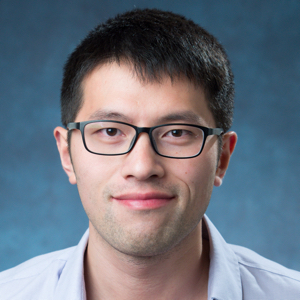
The project is led by Chenhao Tan, an associate professor of computer science and data science. It uses AI agents to take an influential paper, reproduce its results from the original materials and rerun the analysis on newer data. The team publishes the updated findings along with its code and data. Tan’s collaborator Evan Rose chose the first topics, which are in economics, and the project is now working on five AI safety papers.
The problem it targets is a familiar one. Papers are rarely updated, which leaves them “dead” and “frozen,” Tan said. A study can go on being cited for years after the evidence around it has shifted, and readers have no easy way to see what has changed. Researchers can build on findings that no longer hold, and policymakers can act on them.

One early report revisits a 2019 study of whether raising the minimum wage costs low-wage workers their jobs. The team first confirmed that it could match the authors’ published results. It then added newer data, bringing the number of state minimum wage increases studied to 236, up from about 138, and carried the analysis through 2024. The original conclusion held: affected workers earned more, though by less than the first study found, and there was no clear change in how many of them had jobs. The report also notes the parts of the original analysis that the team could not fully reproduce.
The project is not meant to rule on whether earlier work was right or wrong when it was published. “I think that AI holds potential for transforming research, but using it as a weapon to criticize existing work is not productive,” Tan said. “We hope to be constructive.”
To that end, the team posts its code and data publicly, so that others can check the work and build on it, and it invites feedback from the original authors and the wider community. The aim is a shared infrastructure for revisiting research. The openness also bears on public trust in science. A revised finding is often read as a sign that the research was unreliable, but Tan’s view is that the reliability of science does not depend on every paper being correct. It depends on a process of seeking the truth, and the project is meant to make that process visible.
Tan called Living Science “more of an argument for changing the culture of science itself.” His lab and SAI Labs are building tools to support it. Academic careers tend to reward new results over checking old ones, and the project treats keeping findings current as part of the work of research. In five years, Tan hopes to have updated information on all papers and a system that makes such updates efficient, giving journalists and policymakers one place to check the current state of the evidence.
“Science is about pursuing truth and understanding,” Tan said. “A frozen understanding rarely lasts.”
This article is reposted from the University of Chicago Department of Computer Science
People